


रिपोर्ट: तहलका टुडे इनवेस्टिगेशन टीम
🔴 तकनीक या रणनीतिक हथियार?
दुनिया जिस तकनीक को अब तक इंटरनेट क्रांति मान रही थी, वही आज कई देशों के लिए राष्ट्रीय सुरक्षा का सवाल बनती जा रही है। सवाल सीधा है —
क्या Elon Musk का Starlink सिर्फ इंटरनेट सेवा है, या फिर यह राज्यों की संप्रभुता को चुनौती देने वाला नया टूल बन चुका है?
ईरान, रूस, चीन से लेकर अफ्रीका और लैटिन अमेरिका तक Starlink को लेकर सरकारों की बेचैनी बढ़ रही है। वजह — यह सिस्टम सरकारी नियंत्रण से बाहर काम करता है।
🛰️ Starlink क्या है और क्यों अलग है?
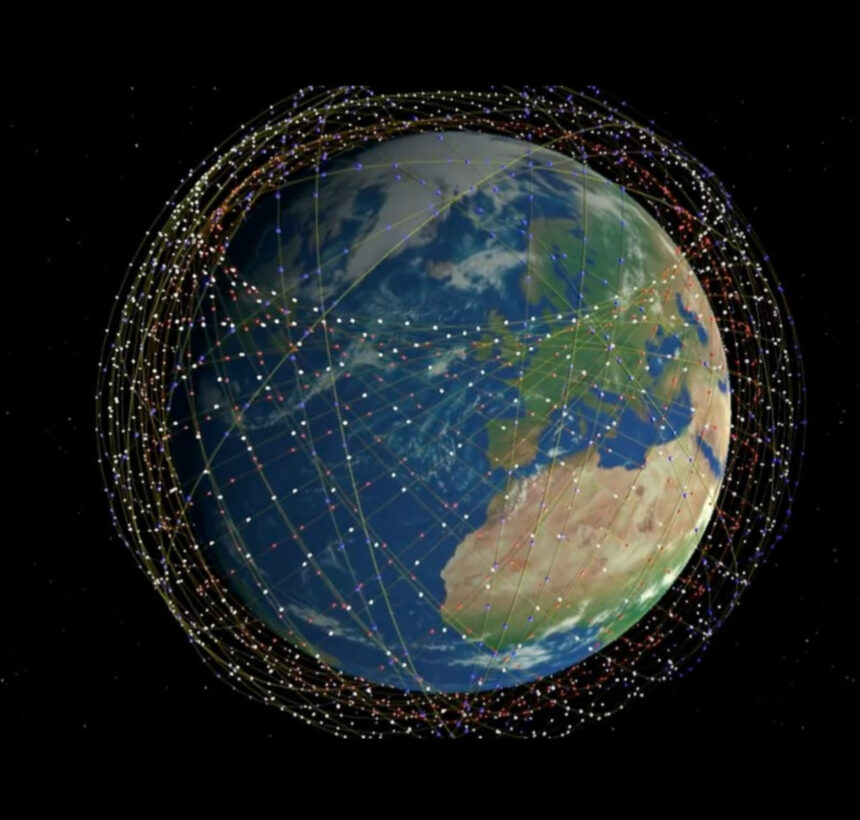
Starlink, एलन मस्क की कंपनी SpaceX का प्रोजेक्ट है, जो हज़ारों लो-अर्थ ऑर्बिट (LEO) सैटेलाइट्स के ज़रिए इंटरनेट उपलब्ध कराता है।
इसकी सबसे बड़ी खासियत —
- ज़मीन पर टेलीकॉम इंफ्रास्ट्रक्चर की ज़रूरत नहीं
- सरकार अगर इंटरनेट बंद भी कर दे, तब भी कनेक्टिविटी संभव
- ट्रैक करना और रेगुलेट करना बेहद मुश्किल
यही विशेषताएँ अब कई देशों के लिए सिरदर्द बन चुकी हैं।
🌍 ईरान केस स्टडी: जब Starlink बना ‘सिस्टम ब्रेकर’
ईरान में विरोध प्रदर्शनों के दौरान सरकारी इंटरनेट बंद होते ही Starlink टर्मिनल की तस्करी की खबरें सामने आईं।
ईरानी अधिकारियों का दावा है कि:
- Starlink का इस्तेमाल प्रदर्शनकारियों के नेटवर्क समन्वय में हुआ
- बाहरी एजेंसियों ने इसी नेटवर्क के ज़रिए सूचनाएँ और निर्देश दिए
- इससे आंतरिक सुरक्षा को गंभीर चुनौती मिली
इसी के बाद ईरान ने Starlink को राष्ट्रीय सुरक्षा के लिए ख़तरा घोषित करते हुए कड़े क़ानून लागू किए।
🕵️♂️ खुफिया एजेंसियाँ और ‘डिजिटल अस्थिरता मॉडल’
तहलका टुडे की पड़ताल में सामने आया कि कई देश Starlink को एक “डिजिटल अस्थिरता टूल” के रूप में देख रहे हैं।
ईरान और उसके सहयोगी देशों के आरोपों में बार-बार जिन नामों का ज़िक्र आता है, वे हैं:
- CIA
- Mossad
हालाँकि इन एजेंसियों ने Starlink के दुरुपयोग के आरोपों को सार्वजनिक रूप से स्वीकार नहीं किया है, लेकिन कई सुरक्षा विश्लेषक मानते हैं कि अनियंत्रित सैटेलाइट इंटरनेट भविष्य के “हाइब्रिड वॉरफेयर” का अहम हिस्सा बन सकता है।
🛰️ रूस, चीन और भारत क्यों सतर्क?
- Russia ने यूक्रेन युद्ध के दौरान Starlink की भूमिका देखी और अपने वैकल्पिक सैटेलाइट नेटवर्क पर काम तेज किया।
- China ने Starlink जैसे विदेशी नेटवर्क्स को अपने यहाँ प्रतिबंधित कर रखा है और “डिजिटल संप्रभुता” पर ज़ोर दिया है।
- India में भी Starlink को अब तक पूर्ण अनुमति नहीं मिली है, क्योंकि सुरक्षा एजेंसियाँ इसके डेटा कंट्रोल और रेगुलेशन को लेकर सवाल उठा रही हैं।
साफ है — दुनिया की बड़ी ताक़तें इसे सिर्फ बिज़नेस प्रोजेक्ट नहीं मान रहीं।
⚖️ अंतरराष्ट्रीय क़ानून बनाम एलन मस्क
Starlink को लेकर एक बड़ा सवाल यह भी है:
क्या कोई निजी अरबपति, अंतरिक्ष से पूरी दुनिया के संचार पर असर डाल सकता है?
अभी अंतरराष्ट्रीय क़ानून:
- सैटेलाइट्स को नियंत्रित करने में कमज़ोर हैं
- निजी कंपनियों पर स्पष्ट वैश्विक निगरानी तंत्र नहीं
- डेटा और संप्रभुता को लेकर नियम अस्पष्ट हैं
यही वजह है कि कई देश अब नए अंतरराष्ट्रीय साइबर और स्पेस क़ानून की माँग कर रहे हैं।
🔎 तहलका टुडे का विश्लेषण
- Starlink अब सिर्फ टेक्नोलॉजी नहीं, जियो-पॉलिटिकल फैक्टर बन चुका है
- यह सरकारों के इंटरनेट कंट्रोल को अप्रासंगिक बना सकता है
- विरोध, विद्रोह और सूचना युद्ध में इसका इस्तेमाल संभव है
- भविष्य में Starlink जैसे नेटवर्क्स डिजिटल संप्रभुता बनाम कॉरपोरेट पावर की सबसे बड़ी लड़ाई होंगे
🛑 खतरा या चेतावनी?
Starlink अपने आप में “ख़तरनाक” नहीं है,
लेकिन अनियंत्रित और गैर-रेगुलेटेड Starlink
दुनिया के कई देशों के लिए
एक नई किस्म की चुनौती और चेतावनी ज़रूर है।
अब सवाल यह नहीं कि
Starlink चलेगा या नहीं,
सवाल यह है कि
👉 किसके नियमों पर चलेगा?
तहलका टुडे इस उभरते डिजिटल युद्ध पर अपनी नज़र बनाए रखेगा —
क्योंकि आने वाली लड़ाइयाँ
बॉर्डर पर नहीं, सैटेलाइट्स में लड़ी जाएँगी।
Introduction: Technology or a Tool of Destabilization?
What was once promoted as a revolutionary solution to connect the unconnected is now being viewed by several governments as a serious national security threat. The satellite internet system Starlink, owned by American billionaire Elon Musk, is increasingly accused of playing a role in fueling unrest, rebellion, and information warfare across sensitive regions of the world.
The core question shaking policymakers today is alarming:
Has Starlink evolved from a connectivity project into a dangerous mechanism capable of undermining state sovereignty and social stability?
What Makes Starlink Different — and Dangerous?
Starlink operates through thousands of low-Earth-orbit satellites, bypassing traditional telecom infrastructure. This gives it unprecedented power:
- Governments cannot easily shut it down
- Works during internet blackouts and emergencies
- Operates beyond national regulatory frameworks
- Enables encrypted, untraceable communication
These strengths, while beneficial during disasters, become highly destabilizing during political unrest.
From Connectivity to Chaos: The Global Pattern
Across multiple conflict-prone regions, Starlink has appeared during moments of turmoil:
- Internet shutdowns followed by sudden digital coordination
- Encrypted messaging and live-streaming beyond state control
- External narratives rapidly influencing internal protests
Security analysts warn that satellite internet removes the state’s ability to control digital space, creating a fertile ground for psychological operations, misinformation, and hybrid warfare.
Sovereignty Under Threat
National sovereignty has traditionally relied on control over borders, currency, and communication. Starlink challenges all three.
Several countries argue that:
- A private foreign company controls critical communication
- Data flows outside national jurisdiction
- Law enforcement and intelligence monitoring becomes ineffective
This has triggered debates on digital colonialism, where technology-rich nations influence weaker states without boots on the ground.
Digital Warfare: The New Battlefield
Modern conflicts are no longer limited to tanks and missiles. Today’s wars are fought with:
- Algorithms instead of armies
- Narratives instead of bullets
- Satellites instead of soldiers
Starlink fits perfectly into this new doctrine — enabling real-time coordination, propaganda spread, and unrest amplification without direct military involvement.
Experts describe this as the “weaponization of connectivity.”
Why Governments Are Alarmed
Governments across Asia, the Middle East, and Eurasia are now reassessing satellite internet policies because:
- Starlink operates above national laws
- Emergency powers become ineffective
- Internal stability can be externally influenced
- A single private individual gains massive geopolitical leverage
The concern is not internet access — it is who controls it, when, and for what purpose.
Is Starlink the “Dark Face” of Tech Power?
Critics argue that when technology operates without accountability, it becomes dangerous.
Starlink, they say, represents a new kind of unchecked power — where a private corporation can influence:
- Political movements
- Social cohesion
- National security outcomes
This is why some analysts label it the “devilish face of digital warfare” — not because of intention alone, but because of its potential for misuse.
Tahalka Today Analysis
- Starlink is no longer just a tech innovation — it is a geopolitical actor
- Unregulated satellite internet threatens national sovereignty
- Digital rebellions can now be fueled without crossing borders
- The future conflict zone is space, data, and perception
A Global Wake-Up Call
Starlink itself is not inherently evil.
But uncontrolled satellite internet, operating above laws and borders, is a clear and present danger to global stability.
The real issue is no longer whether satellite internet will exist —
The issue is who will regulate it, who will control it, and who will be held accountable.
Because in the coming era,
wars will not begin with bombs — they will begin with signals.