

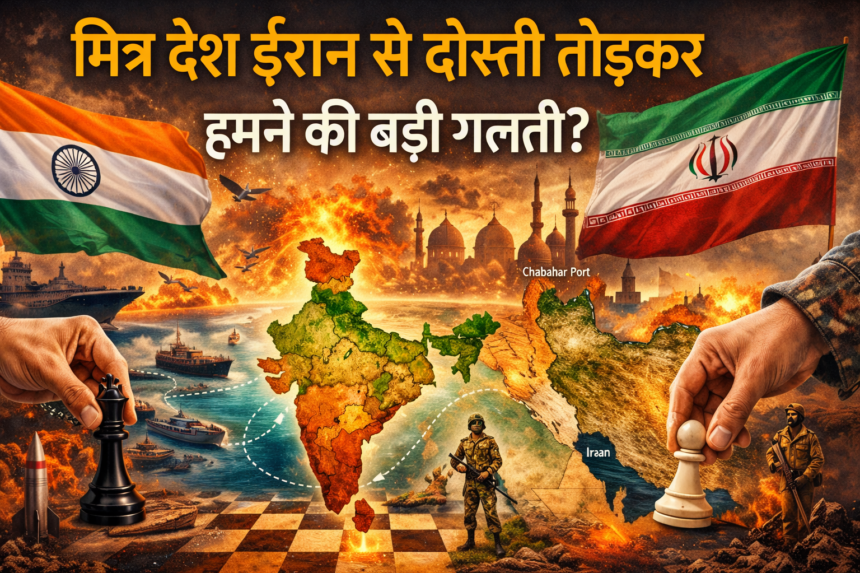
ЁЯЪи рдХреНрдпрд╛ рд╣рдорд╛рд░реА рдЧрд▓рддрд┐рдпреЛрдВ рдиреЗ рджреЛрдмрд╛рд░рд╛ рд╣рдореЗрдВ рдЧреБрд▓рд╛рдо рдмрдирд╛рдиреЗ рдХреА рдХрд░ рд▓реА рддреИрдпрд╛рд░реА? рдорд┐рддреНрд░ рджреЗрд╢ рдИрд░рд╛рди рд╕реЗ рджреВрд░реА рдХреНрдпрд╛ рднрд╛рд░рдд рдХреА рд╕рдмрд╕реЗ рдмрдбрд╝реА рд░рдгрдиреАрддрд┐рдХ рднреВрд▓ рд╕рд╛рдмрд┐рдд рд╣реЛрдЧреА?

India Iran relations analysis, geopolitics of Indian Ocean, India foreign policy debate, Chabahar port strategic importance, Middle East geopolitics

Tahalka Today
Tahalka Today - Tahalka Today World News Channel
4 Min Read

तहलका टुडे इंटरनेशनल डेस्क / सैयद रिज़वान मुस्तफ़ा

दुनिया की राजनीति तेजी से बदल रही है। महाशक्तियाँ नए गठबंधन बना रही हैं, समुद्री रास्तों पर नियंत्रण की प्रतिस्पर्धा तेज हो चुकी है और एशिया से लेकर मध्य-पूर्व तक भू-राजनीतिक समीकरण लगातार बदल रहे हैं।

इसी बदलते वैश्विक माहौल में एक सवाल भारत के रणनीतिक भविष्य से जुड़ा हुआ सामने आता है —

क्या भारत ने अपने पुराने मित्रों से दूरी बनाकर कोई बड़ी रणनीतिक गलती कर दी है?

भारत और ईरान: एक पुराना रिश्ता

भारत और ईरान के संबंध सदियों पुराने सांस्कृतिक, व्यापारिक और ऐतिहासिक रिश्तों से जुड़े रहे हैं।

मध्य-पूर्व और मध्य एशिया तक पहुँच के लिहाज से ईरान भारत के लिए हमेशा एक महत्वपूर्ण साझेदार माना गया है।

इसी रणनीतिक सोच के तहत भारत ने ईरान में
चाबहार बंदरगाह
के विकास में निवेश किया था, जिसे भारत की मध्य एशिया और अफगानिस्तान तक पहुँच का महत्वपूर्ण द्वार माना जाता है।

ऊर्जा और समुद्री रास्तों की राजनीति

भारत के ऊर्जा हित भी लंबे समय तक ईरान से जुड़े रहे हैं।

खाड़ी क्षेत्र से निकलने वाला तेल दुनिया तक पहुँचने के लिए
Strait of Hormuz
से गुजरता है — जो वैश्विक ऊर्जा आपूर्ति का बेहद महत्वपूर्ण मार्ग है।

यही कारण है कि ईरान की भौगोलिक स्थिति भारत के लिए रणनीतिक दृष्टि से महत्वपूर्ण मानी जाती रही है।

बदलते अंतरराष्ट्रीय दबाव

पिछले कुछ वर्षों में वैश्विक राजनीति में बदलाव के कारण कई देशों को अपने कूटनीतिक संबंधों में संतुलन बनाना पड़ा है।

भारत ने भी अलग-अलग वैश्विक शक्तियों के साथ अपने संबंधों को संतुलित रखने की कोशिश की है।

भारत की विदेश नीति का नेतृत्व प्रधानमंत्री
नरेंद्र मोदी
और विदेश मंत्री
सुब्रह्मण्यम जयशंकर
कर रहे हैं।

सरकार का कहना है कि भारत की नीति रणनीतिक संतुलन (Multi-Alignment) पर आधारित है।

आलोचकों का तर्क

कुछ रणनीतिक विश्लेषकों का मानना है कि भारत को अपने पुराने क्षेत्रीय साझेदारों के साथ संबंधों को और मजबूत रखना चाहिए था।

उनके अनुसार ईरान जैसे देश के साथ गहरे आर्थिक और रणनीतिक संबंध भारत की ऊर्जा सुरक्षा और क्षेत्रीय पहुँच के लिए फायदेमंद हो सकते थे।

हालाँकि इस विषय पर विशेषज्ञों की राय अलग-अलग है।

इतिहास से सीख

भारत का इतिहास विदेशी शासन और औपनिवेशिक अनुभवों से भरा रहा है।

इसलिए देश की विदेश नीति में रणनीतिक स्वतंत्रता को हमेशा महत्वपूर्ण माना गया है।

आज जब वैश्विक राजनीति तेजी से बदल रही है, तो यह सवाल फिर उठता है:

क्या भारत को अपने पुराने मित्र देशों के साथ संबंधों को और मजबूत करना चाहिए
या बदलती दुनिया में नई रणनीतिक साझेदारियाँ ही भविष्य का रास्ता हैं?

भारत आज एक उभरती वैश्विक शक्ति है और उसकी विदेश नीति कई स्तरों पर संतुलन बनाने की कोशिश करती है।

लेकिन यह भी सच है कि भू-राजनीति में हर निर्णय का असर लंबे समय तक दिखाई देता है।

इसलिए सबसे बड़ा सवाल यही है:

क्या मित्र देशों से दूरी बनाना भारत की रणनीतिक मजबूरी है
या आने वाले समय में यह एक बड़ी कूटनीतिक चुनौती बन सकता है?

🚨 “क्या मित्र देश ईरान से दूरी बनाना भारत की सबसे बड़ी रणनीतिक भूल थी?”

या

🔥 “चाबहार से होर्मुज़ तक बदलती सियासत — क्या हमने अपने सबसे महत्वपूर्ण क्षेत्रीय साझेदार को खो दिया?”

आपकी राय क्या है?

क्या भारत को ईरान के साथ अपने संबंध और मजबूत करने चाहिए थे?

👇 कमेंट में अपनी राय लिखें।

Share This Article
By Tahalka Today Tahalka Today World News Channel
Follow:
Tahalka Today тАУ World News Channel is an independent global journalism platform dedicated to connecting hearts, promoting peace, and presenting truth beyond borders, while upholding the universal belief in the Oneness of the Creator of the entire universeтАФa principle that stands for equality, moral responsibility, and justice for all humanity. At its core, Tahalka Today believes that lasting global peace cannot be achieved through power alone, but through the recognition of shared human values, ethical accountability, and spiritual consciousness. Our journalism treats information not merely as news, but as a means of understanding, dialogue, and coexistence. In a world increasingly dominated by conflict-driven narratives, propaganda, and polarized media, Tahalka Today offers balanced, research-based, and human-centric reporting on global geopolitics, diplomacy, war and peace, energy security, sanctions, human rights, and international power structures. We go beyond headlines to analyze the political, strategic, and humanitarian consequences of global eventsтАФensuring that truth is delivered with context, clarity, and responsibility. We believe the role of media is not to inflame divisions, but to amplify justice, encourage dialogue, and keep hope alive. Rooted in this philosophy, Tahalka Today also gives voice to the global aspiration for a future defined by universal justice and lasting peaceтАФa hope symbolized across cultures and traditions by the awaited era of moral leadership, fairness, and the end of oppression. The World News Service operates under the close editorial supervision of Syed Rizwan Mustafa, whose sharp global outlook ensures editorial independence, ethical clarity, and peace-oriented journalism. His vision positions Tahalka Today not merely as a media outlet, but as a responsible global narrative platform. With a growing international readership and a strong South Asian perspective, Tahalka Today seeks collaboration with global media organizations, think tanks, peace institutions, and policy platforms to strengthen truth-driven, justice-centered, and peace-focused global journalism. Tahalka Today тАУ Where Truth, Divine Oneness, and Journalism for Peace Connect the World.
Leave a comment

рдкреНрд░рд╛рддрд┐рдХреНрд░рд┐рдпрд╛ рджреЗ

рдЖрдкрдХрд╛ рдИрдореЗрд▓ рдкрддрд╛ рдкреНрд░рдХрд╛рд╢рд┐рдд рдирд╣реАрдВ рдХрд┐рдпрд╛ рдЬрд╛рдПрдЧрд╛. рдЖрд╡рд╢реНрдпрдХ рдлрд╝реАрд▓реНрдб рдЪрд┐рд╣реНрдирд┐рдд рд╣реИрдВ *